By DEEPAK DUBEY On 09-01-2026 at 7:13 am
Different Types of Drinking Water: Benefits, Drawbacks & Health Guide
Discover different types of drinking water including tap, mineral, alkaline, boiled, and copper-infused water. Learn their benefits, drawbacks, and which water is best for daily consumption.
1. Tap Water
Tap water is the most commonly used and easily accessible form of drinking water. It is supplied directly to households through municipal pipelines and is generally affordable.
Benefits of Tap Water
Easily available and cost-effective
Treated at municipal water facilities
Suitable for daily consumption in many cities
Drawbacks of Tap Water
Quality varies from place to place
May contain contaminants like bacteria, heavy metals, or chlorine
Not safe to drink directly in all regions
Recommendation: Even if your city supplies drinkable tap water, using a water purifier or filter is advised for added safety.
2. Mineral Water
Mineral water contains naturally dissolved minerals such as calcium, magnesium, potassium, and sodium. It is sourced from underground springs and is often sold as bottled water.
Benefits of Mineral Water
Rich in essential minerals
Supports bone health and metabolism
Safe and hygienic when bottled correctly
Drawbacks of Mineral Water
Excessive intake may lead to mineral imbalance
Costlier than regular water
Plastic bottles raise environmental concerns
Recommendation: Mineral water is safe for consumption but should be consumed in moderation.
3. Alkaline Water
Alkaline water has a higher pH level (8 or above) compared to normal water. It has gained popularity due to its potential health benefits.
Benefits of Alkaline Water
Helps maintain the body’s pH balance
May improve digestion and hydration
Often associated with better overall wellness
Drawbacks of Alkaline Water
Low in natural minerals
Overconsumption may cause mineral deficiencies
Factory-made alkaline water can be expensive
Recommendation: Alkaline water can be beneficial but should not completely replace mineral-rich water.
4. Boiled Water
Boiling is one of the oldest and most effective methods of water purification. High temperatures kill bacteria, viruses, and parasites present in water.
Benefits of Boiled Water
Kills harmful microorganisms
Easy and economical purification method
Improves safety of contaminated water
Drawbacks of Boiled Water
Does not remove chemical contaminants or heavy metals
Flat taste due to loss of dissolved oxygen
Recommendation: Ideal for microbial safety, but not effective against chemical pollution.
5. Copper-Infused Water
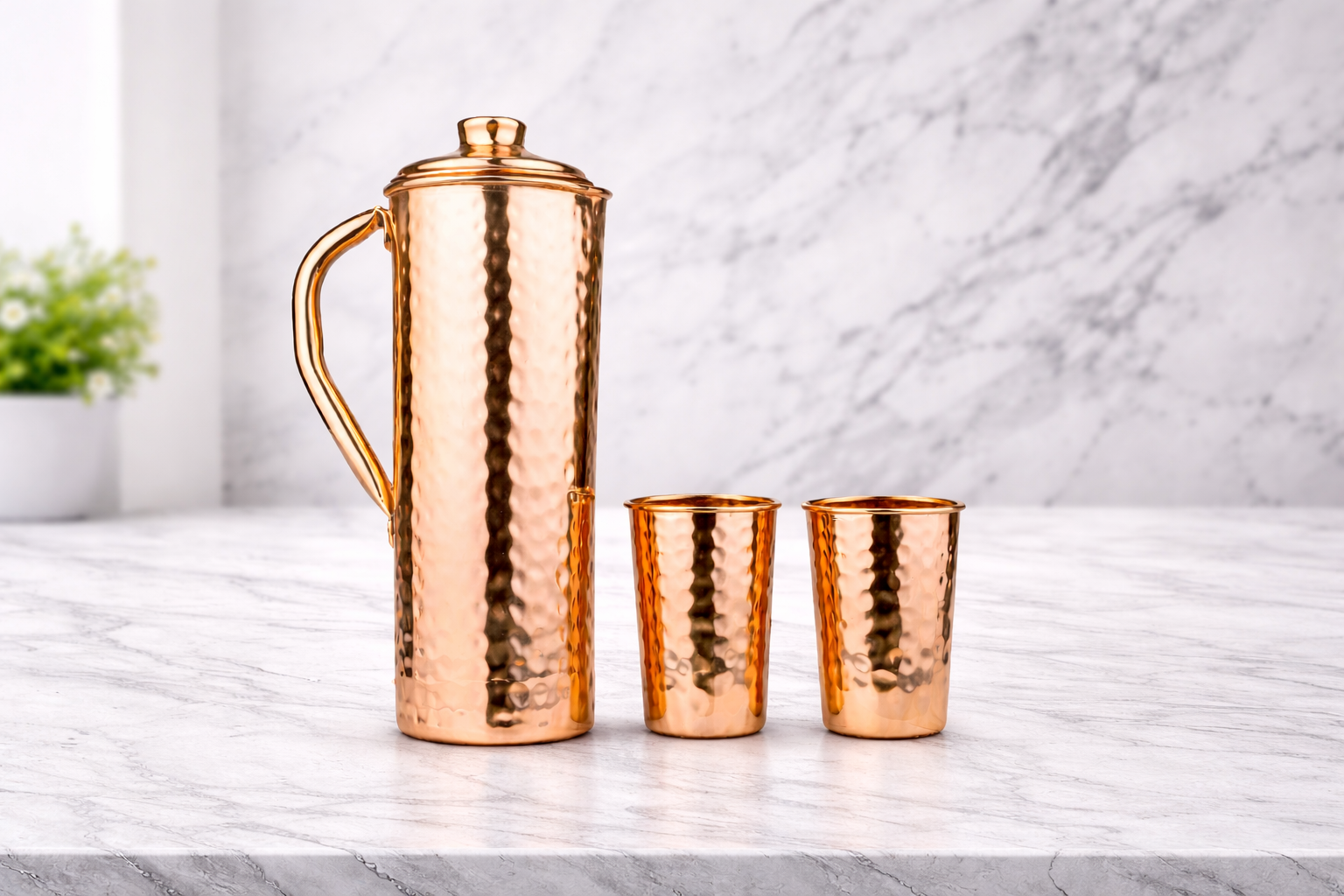
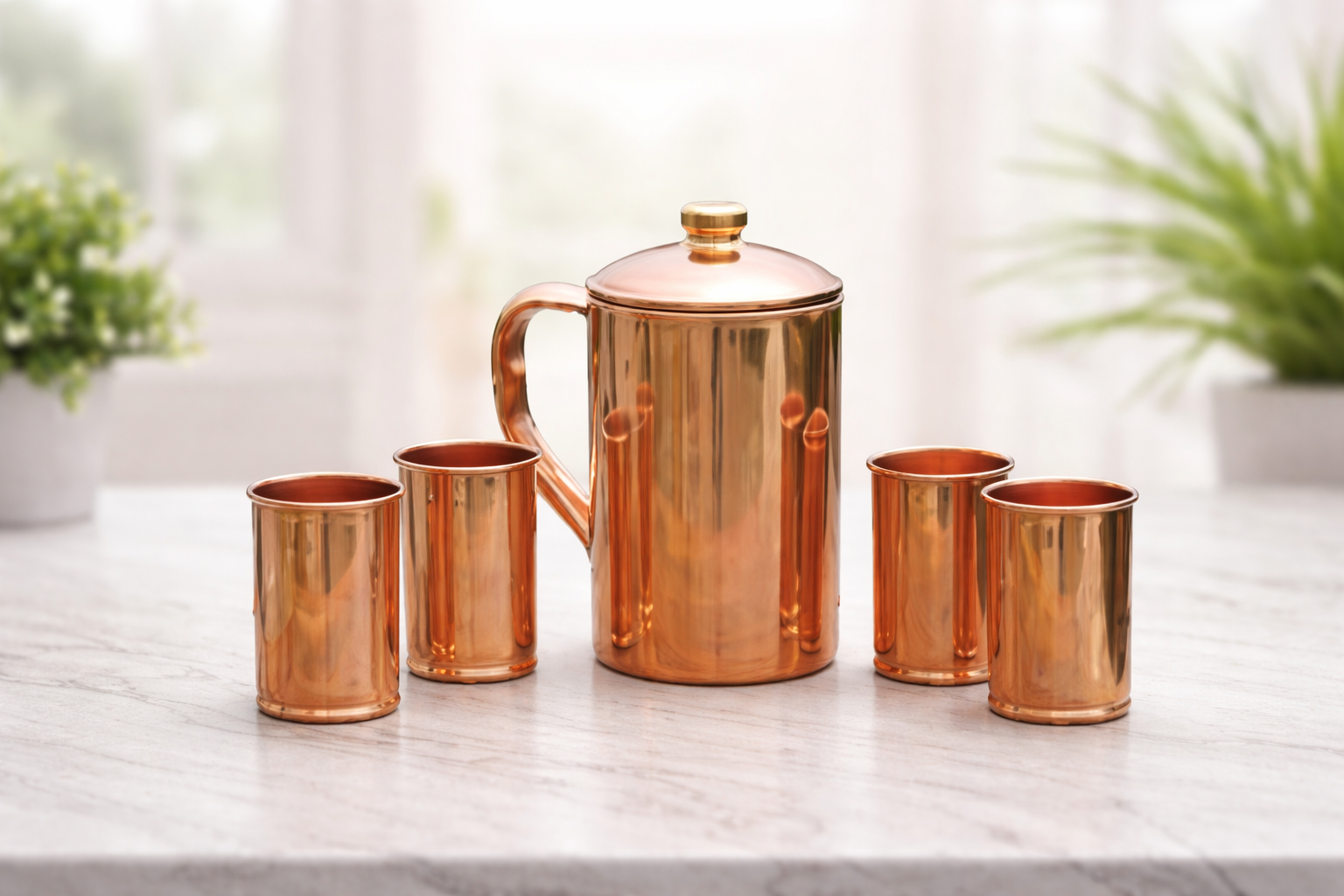
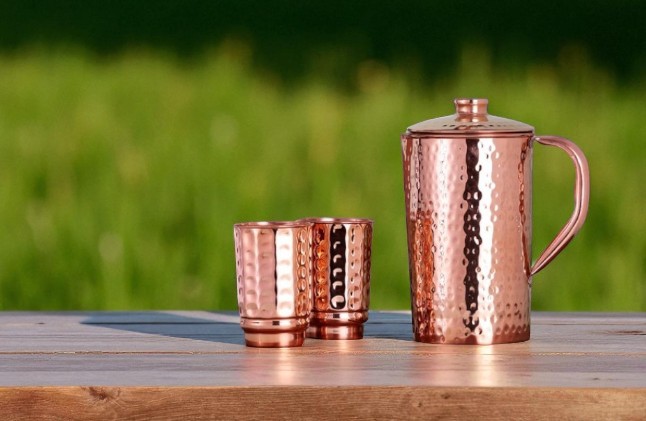
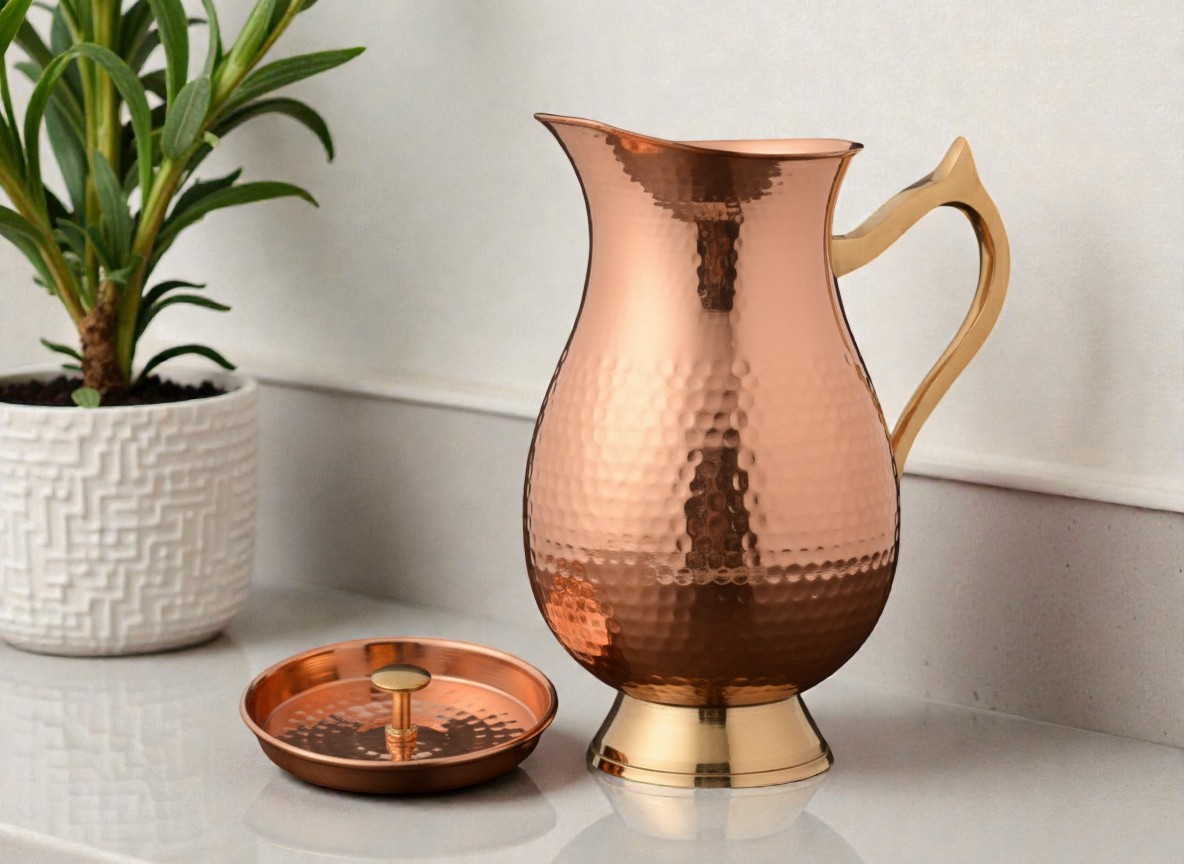
Copper-infused water is prepared by storing drinking water in a pure copper vessel such as a copper bottle or copper pot for 6–8 hours.
Benefits of Copper Water
Naturally alkaline in nature
Kills harmful bacteria and microbes
Boosts immunity and digestion
Supports weight management and joint health
A natural alternative to artificial alkaline water
Drawbacks of Copper Water
Overconsumption may lead to copper toxicity
Should be consumed in limited quantities
Recommendation: Drinking one glass of copper water in the morning is considered highly beneficial as per Ayurveda.
Which Type of Drinking Water Is Best?
There is no one-size-fits-all answer. The best drinking water depends on your location, lifestyle, and health needs. However, a balanced approach works best:
Use purified tap water for daily hydration
Consume mineral water occasionally
Include copper-infused water in your morning routine
Avoid overdependence on packaged or factory-treated water
Final Thoughts
Choosing the right type of drinking water plays a crucial role in maintaining long-term health. Understanding the benefits and drawbacks of different water types empowers you to make informed decisions. Traditional methods like copper-infused water, when used correctly, offer natural and effective health benefits without relying on artificial processing.
Stay hydrated. Drink smart. Stay healthy.

Author
DEEPAK DUBEY
Related posts